

Bridging Conversations AI
RizeUpTV's "Bridging Conversation" is a dynamic, AI-powered platform designed to equip parents with the communication tools they need to foster deeper connections with their children, from toddlers to young adults. Through engaging animations, personalized learning plans, and a variety of learning modalities, "Bridging Conversation" addresses the unique challenges families face in today's world. The platform offers practical tips and social strategies, including educational guidance on active
20
Posts
21
Members
2
Groups
Powered by


The Role of Fictional Heroes in Shaping Moral Values
April 18, 2025

Fictional heroes, from comic book champions to protagonists in classic literature, have long captured the imaginations of children around the world. These characters serve not only as entertainment but also as critical tools for moral education. Through their adventures and challenges, they embody values such as courage, integrity, and empathy, which children learn to emulate in their lives.
The blog will dive into various literary theories that explore how narratives shape moral reasoning and ethical frameworks in young minds. For example, narrative transportation theory suggests that when children engage with stories, they become emotionally and cognitively immersed, leading to a greater likelihood of internalizing the values presented in those narratives. By analyzing specific examples from literature and film, the blog will illustrate how these heroic figures navigate moral dilemmas, providing children with templates for making decisions in their lives.
Furthermore, the blog will consider the impact of diverse representations among heroes. Characters from different backgrounds and cultures allow children to see themselves reflected in the stories they consume, reinforcing the idea that heroism is not confined to a particular gender, race, or set of circumstances. This representation plays an essential role in fostering a sense of belonging and encouraging inclusivity among young audiences.
The role of responsible storytelling will also be a focal point in this discussion. With the rise of media consumption among children, it becomes increasingly important to analyze how stories constructed around heroes can either uplift or mislead. The blog will examine recent trends in storytelling that aim to promote positive moral development while also being mindful of the complexities of reallife situations that children may face.
Additionally, the blog will explore the social learning theory, which posits that children learn behaviors through observation and imitation. By studying how children respond to the actions of their favorite heroes, readers will gain insight into the longterm implications of these fictional narratives on their moral development and overall positivity. By crafting a narrative that supports empathy and altruism, storytellers can positively influence the next generation, shaping not only their values but also their behaviors as they navigate an increasingly complex world.
Related Blogs
View All
From Childhood to Adulthood: Heroes as Catalysts for Personal Growth
This blog discusses how childhood heroes can serve as catalysts for persona...
April 18, 2025 01:04 PM
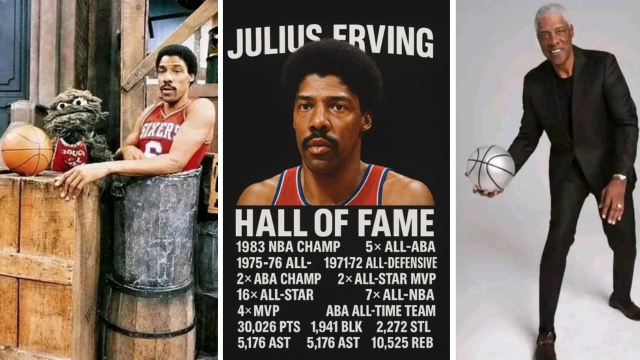
The Enduring Influence of Childhood Heroes: A Psychological Perspective
Exploring the psychological effects of childhood heroes reveals profound in...
April 18, 2025 01:04 PM